A day trip from Dubrovnik to Mostar is the easiest way to swap the polished marble of the Croatian coast for the minarets, river canyons and Ottoman bridges of Bosnia and Herzegovina — all in a single day. It is one of the most popular excursions out of Dubrovnik, and for good reason: in roughly two and a half hours you cross an international border into a different country, a different empire’s architecture, and a landscape of turquoise rivers and limestone gorges. Most trips pair Mostar itself with a swim stop at the Kravica Waterfalls, and many add the Ottoman hill-village of Počitelj along the way.
Mostar and the Old Bridge (Stari Most)
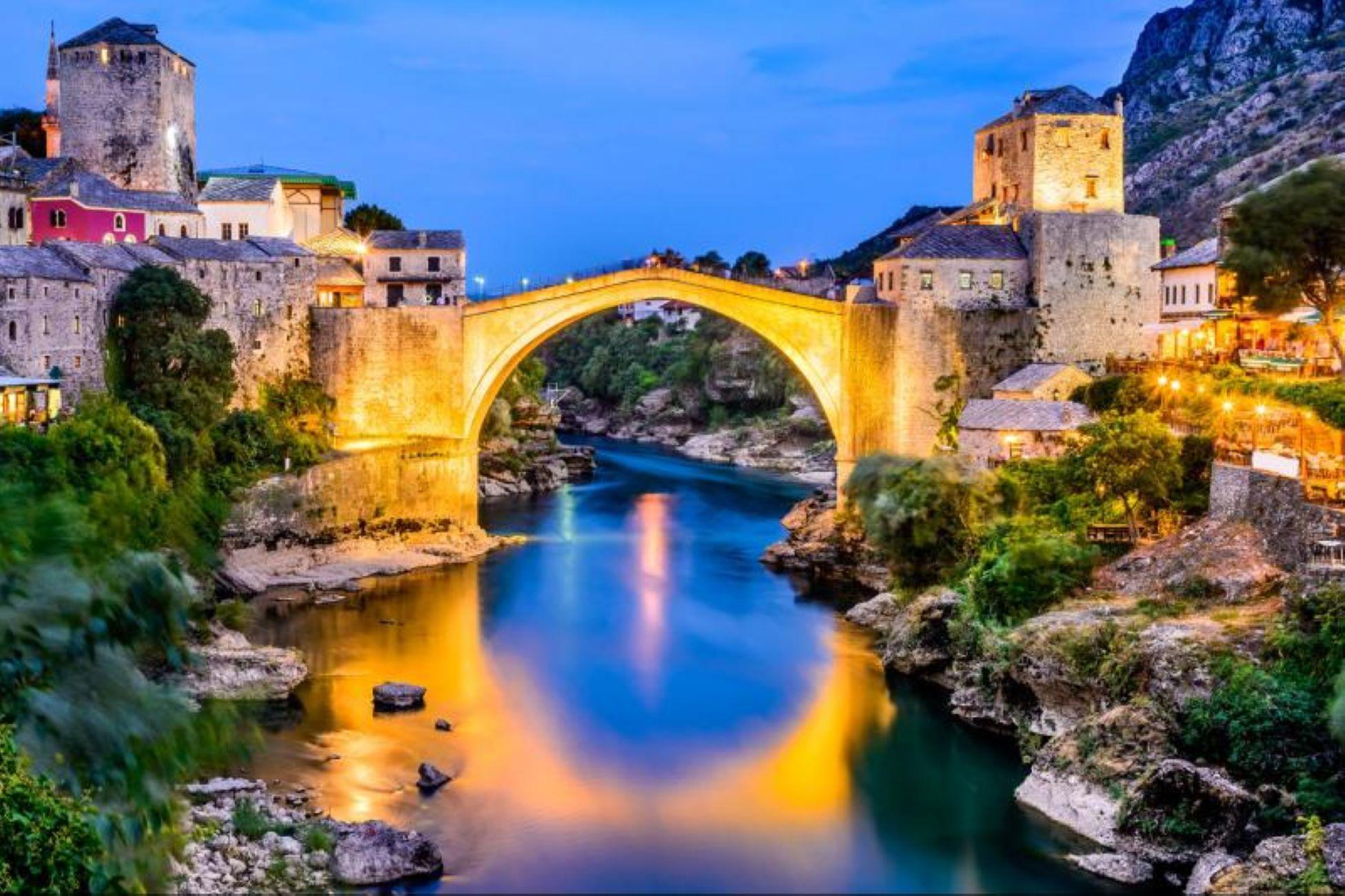
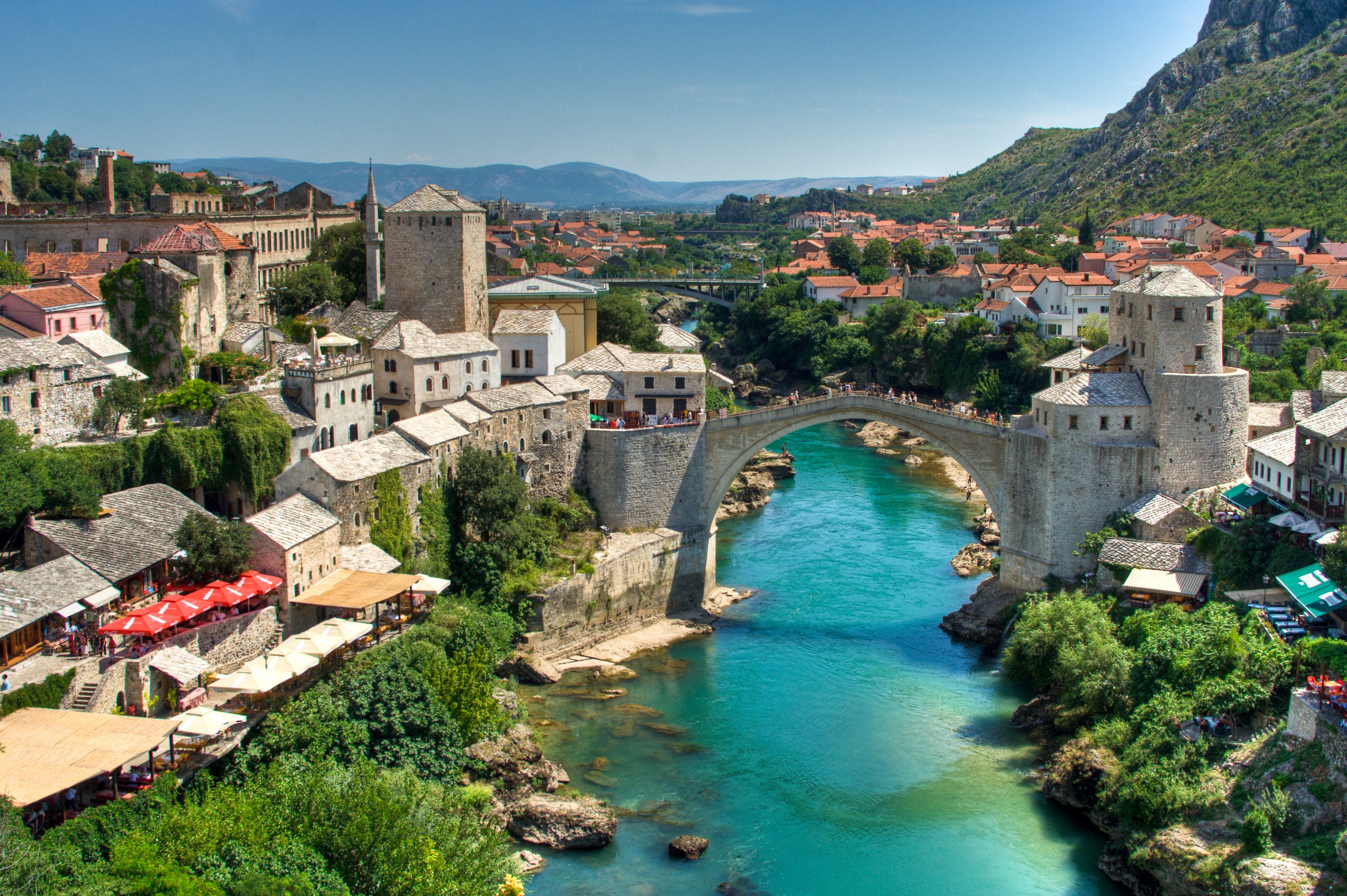
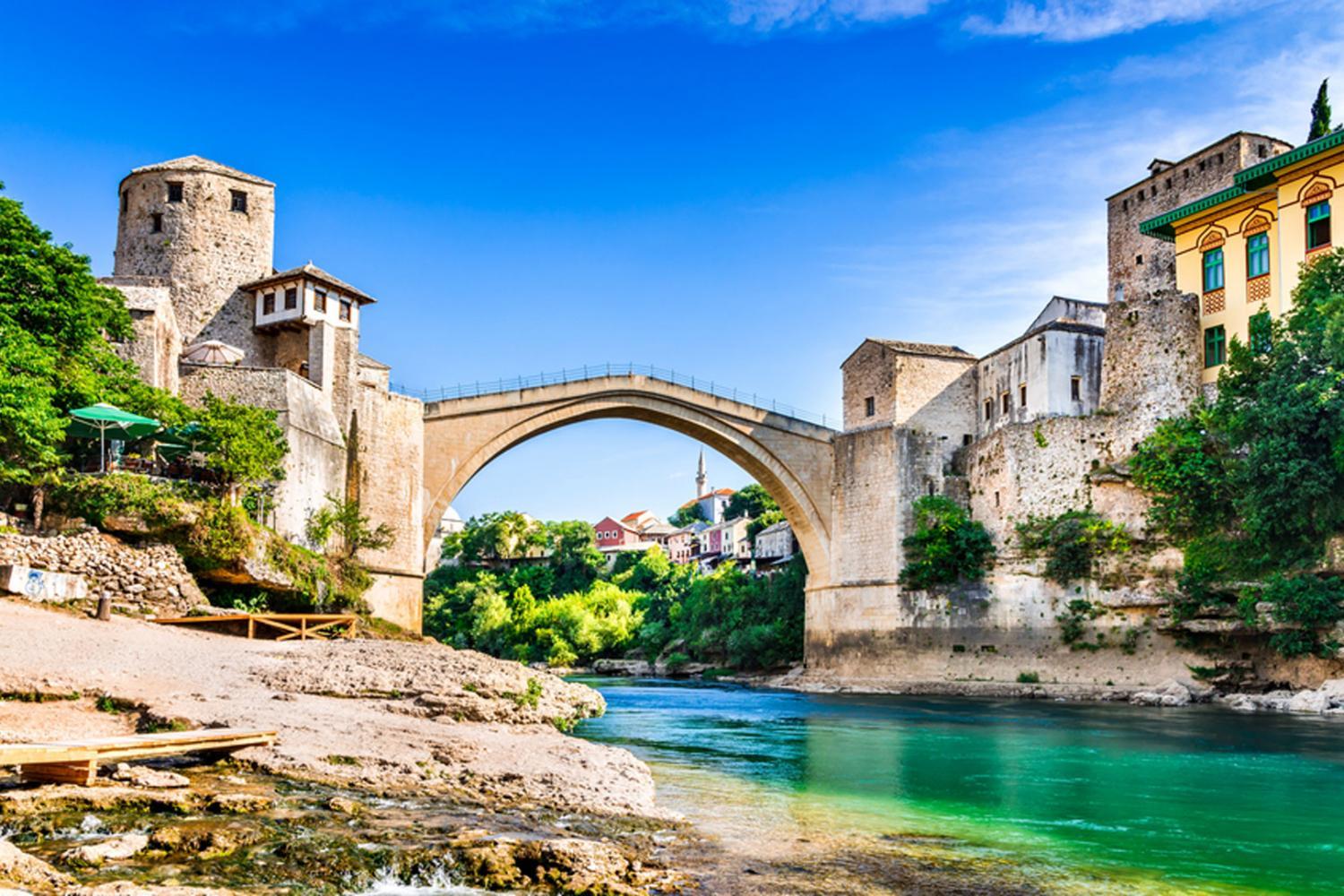
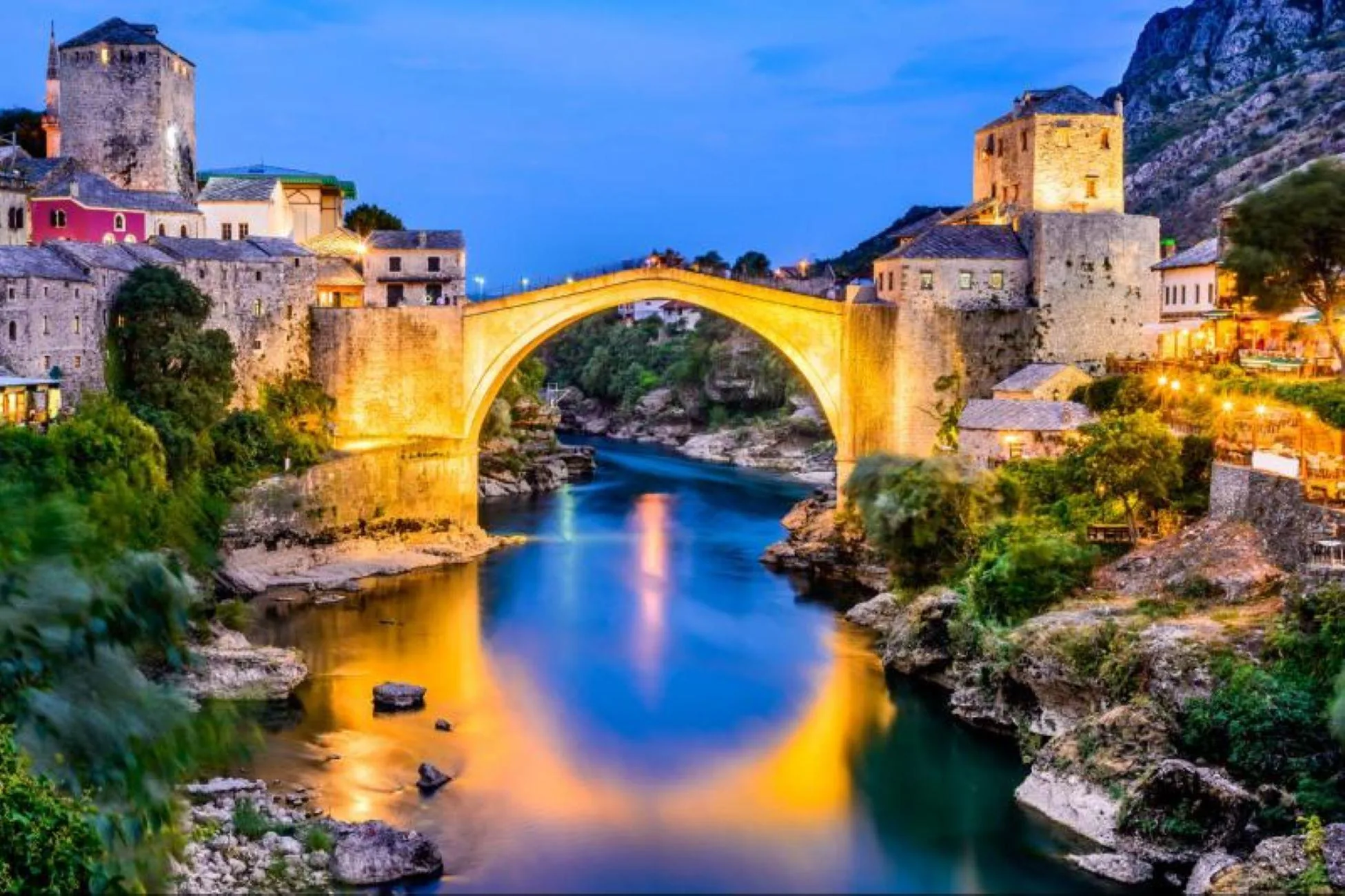
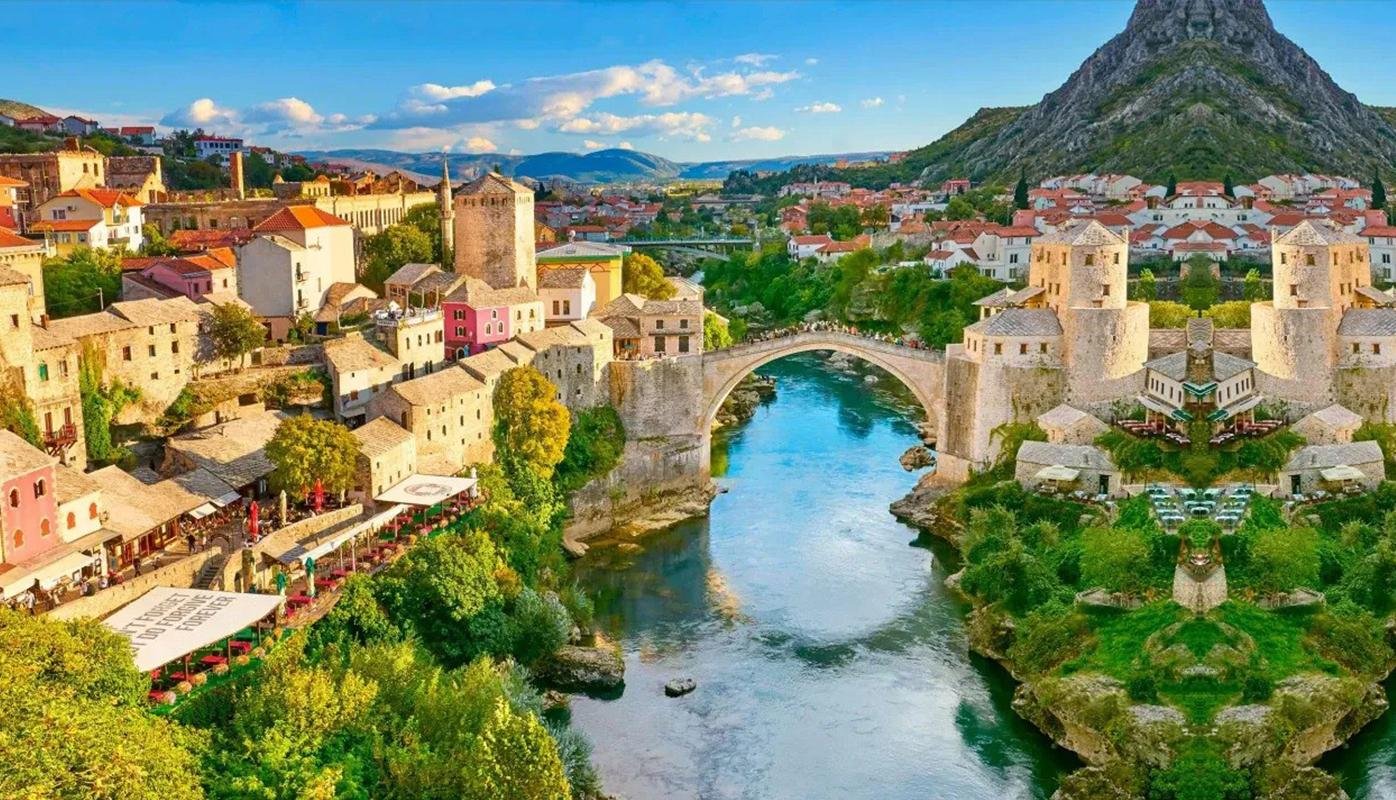
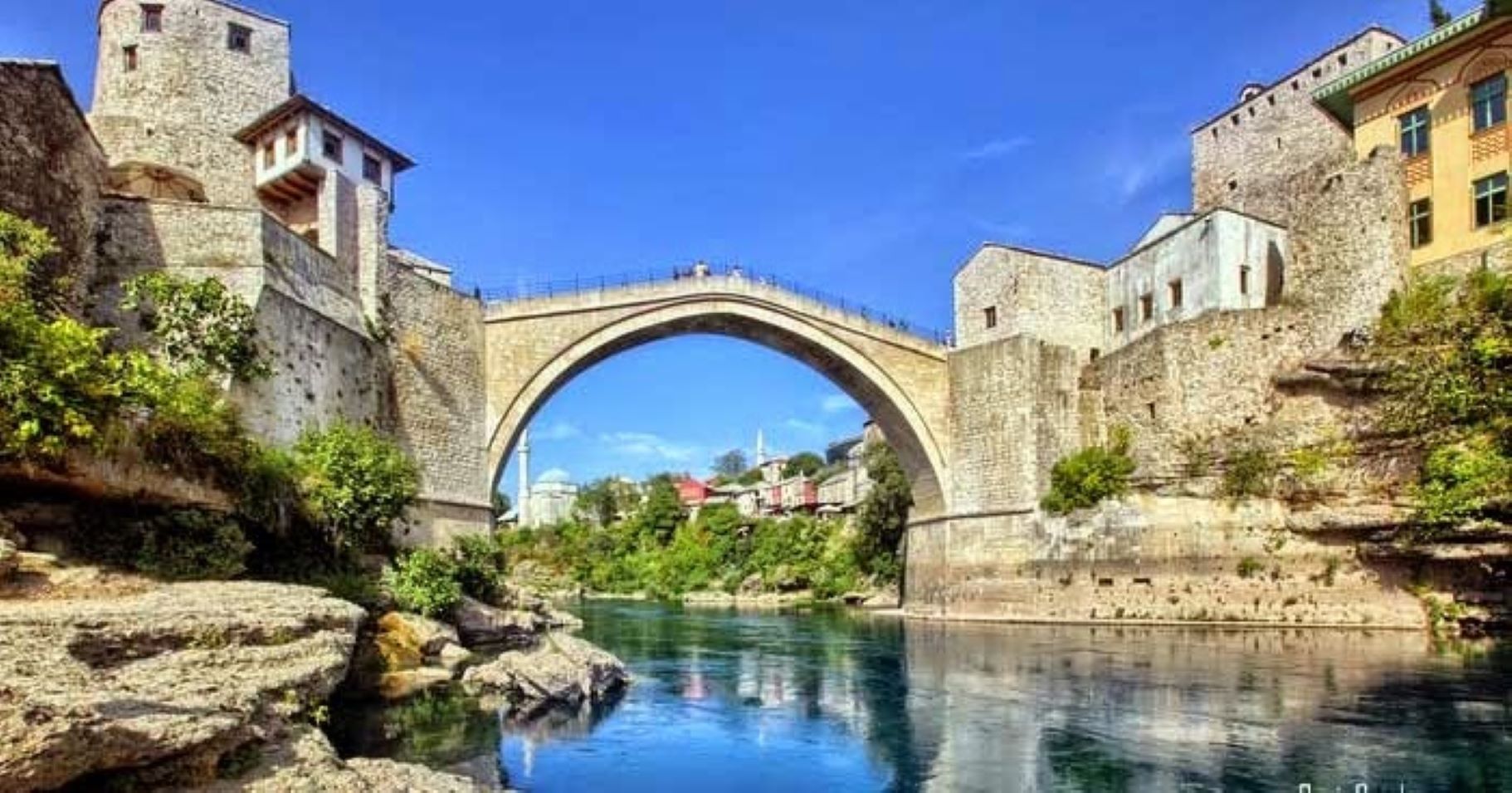
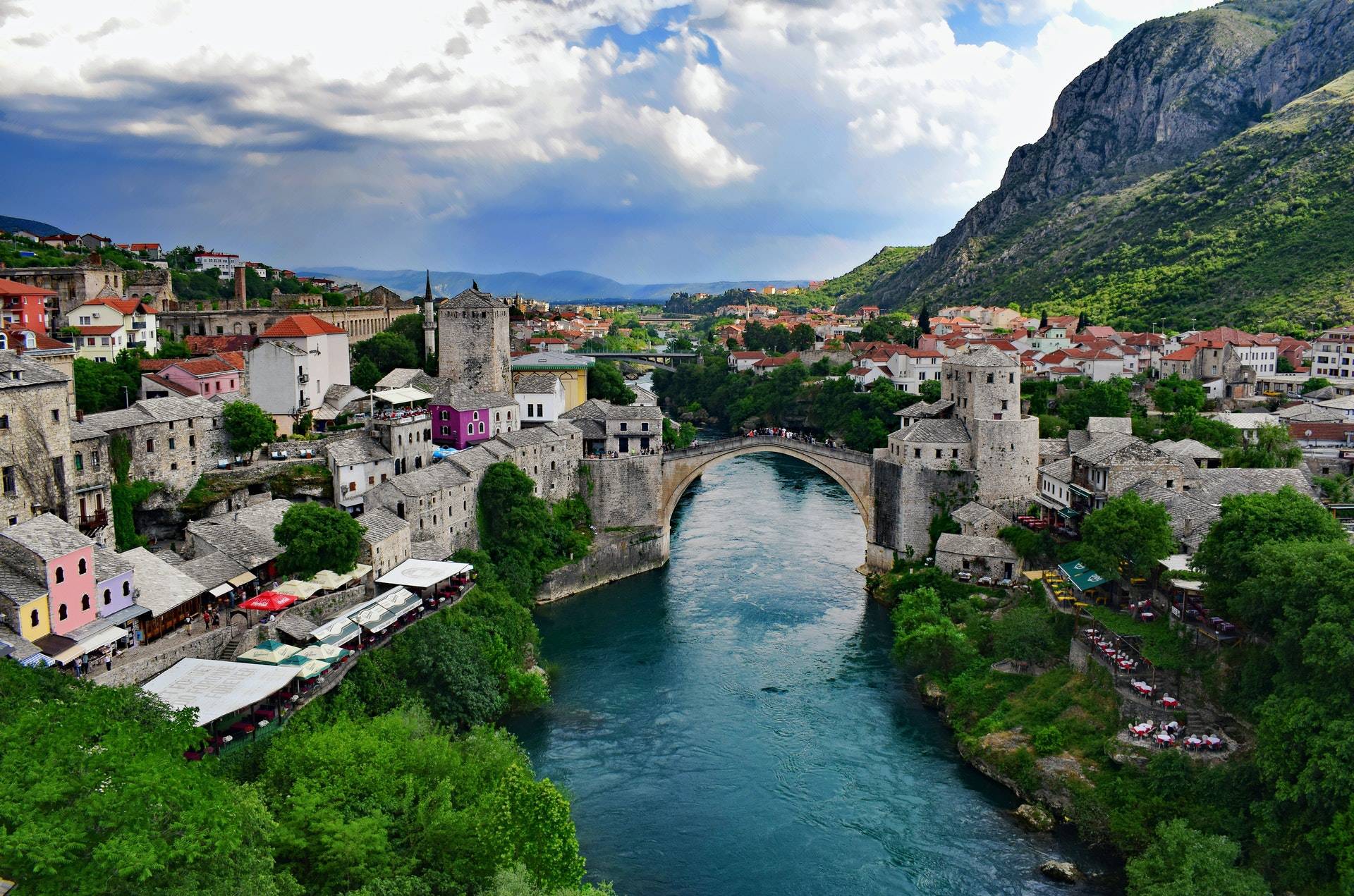
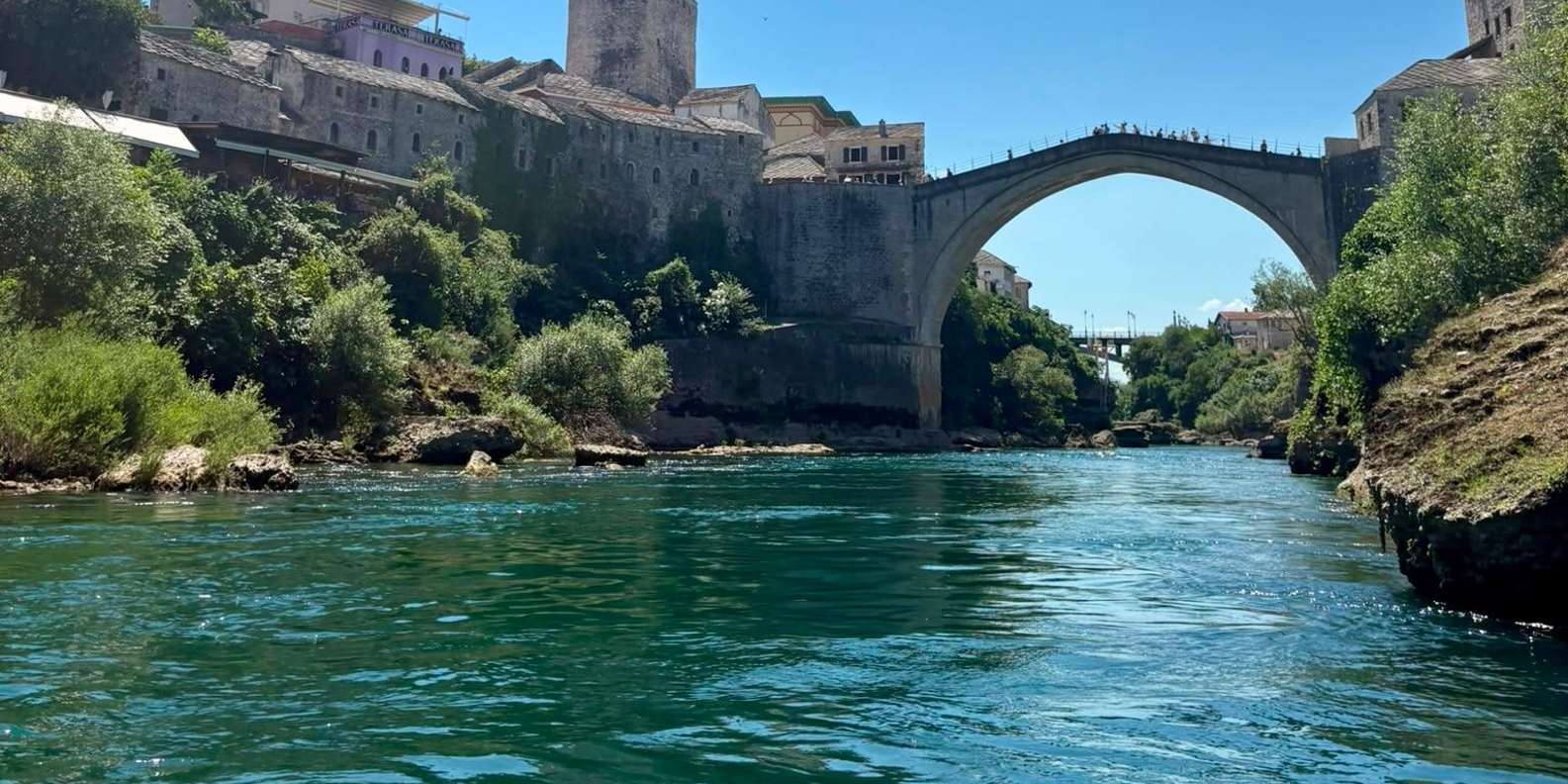
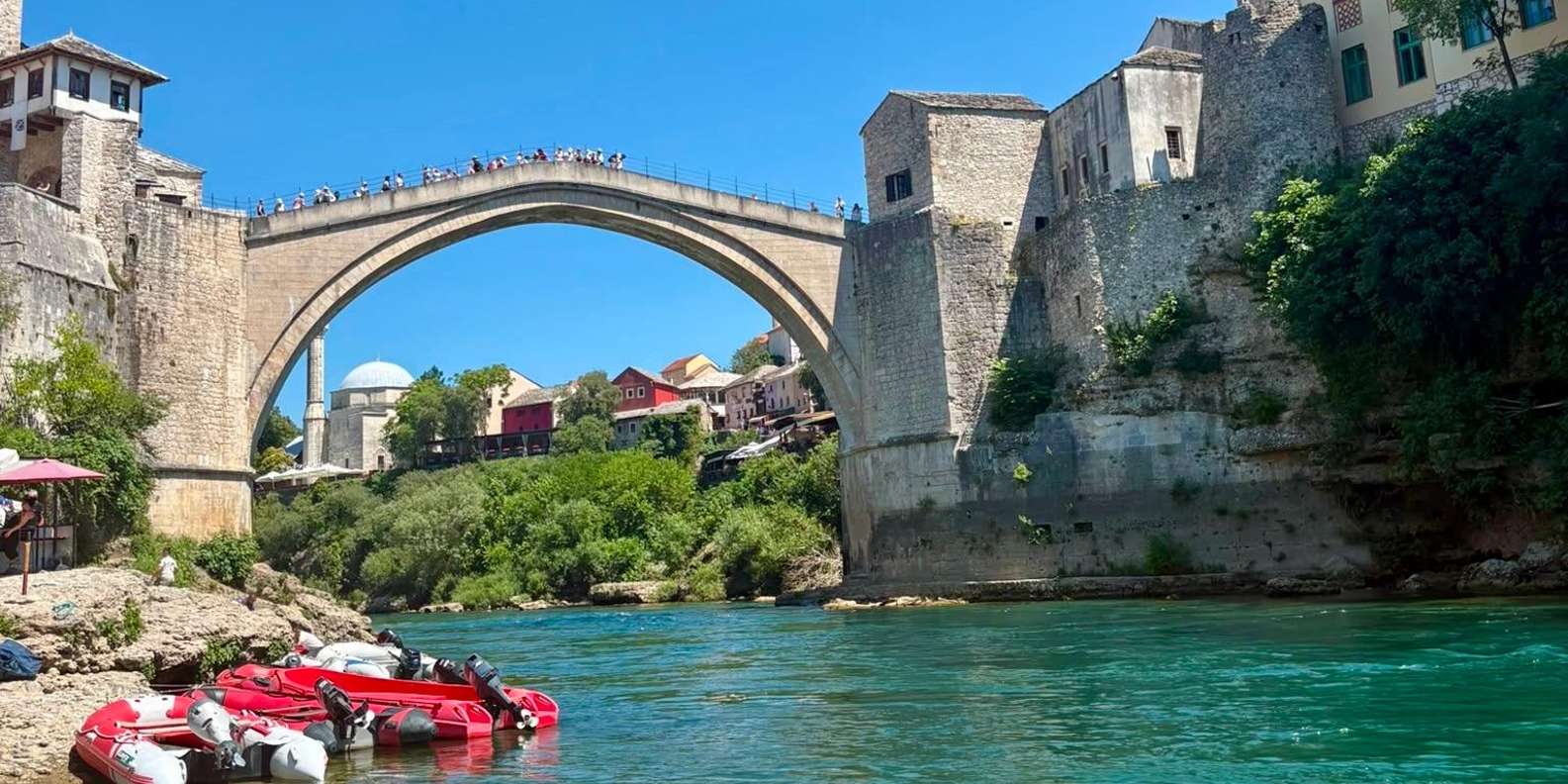
The heart of any Mostar visit is Stari Most, the Old Bridge — a single graceful arch leaping the emerald Neretva River. It was first built in 1566, during the reign of Sultan Suleiman the Magnificent, by an Ottoman architect trained in the school of the great Mimar Sinan. The humpbacked span reaches about 27 metres across and stands some 20 metres above the water, and for more than four centuries it was the symbol of the city — indeed, the town’s name comes from the mostari, the keepers of the bridge.
On 9 November 1993, during the war in Bosnia, the bridge was shelled until it collapsed into the river below. Its loss became one of the war’s most painful images. What stands today is a faithful reconstruction, built between 1999 and 2004 using the same local Tenelija limestone and even original stones recovered by divers from the riverbed. The rebuilt bridge reopened in 2004, and the Old Bridge area of Mostar was inscribed as a UNESCO World Heritage Site in 2005 — a monument now read as much as a story of reconciliation as of Ottoman engineering.
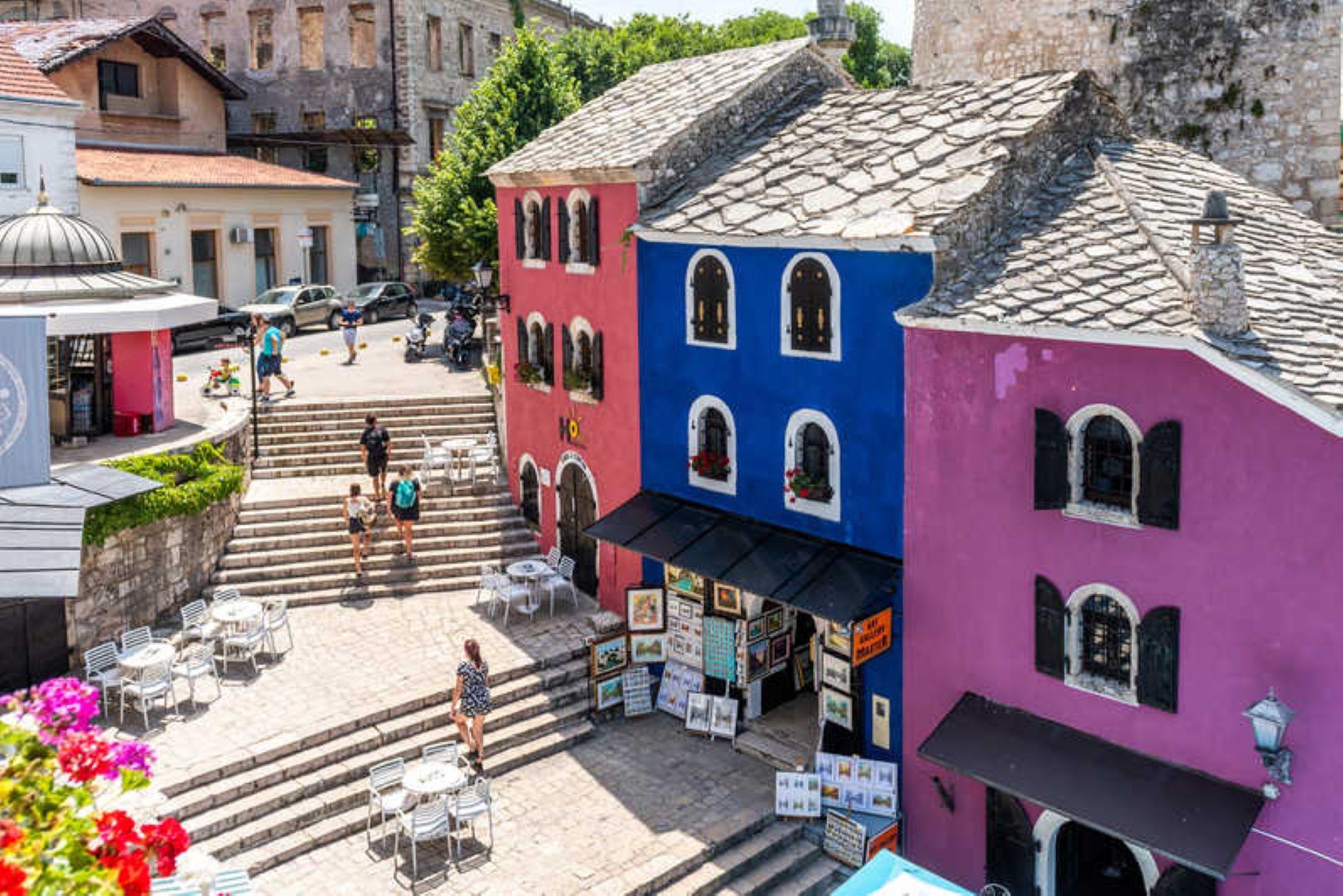
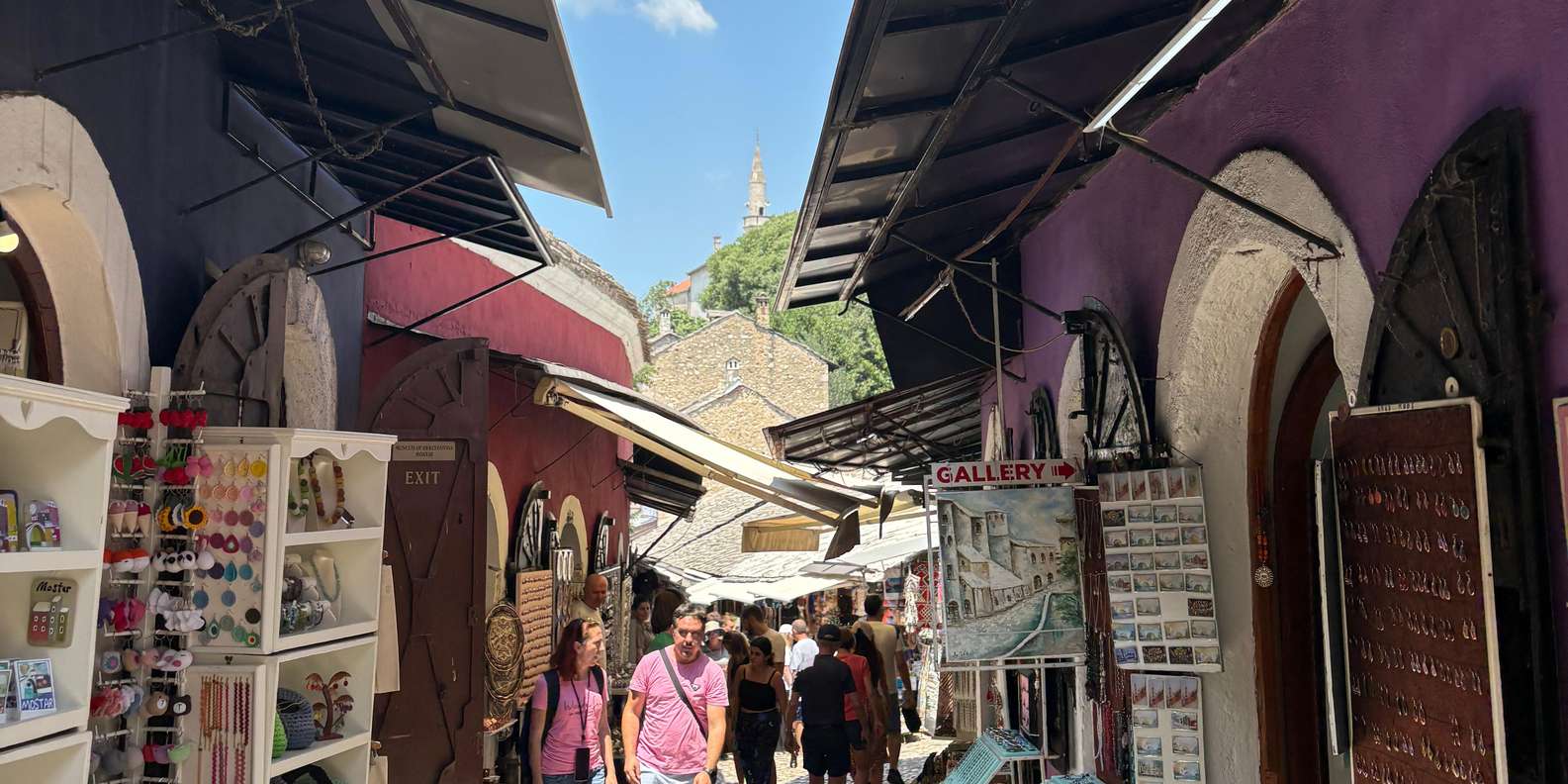
Cross it slowly. On either side the cobbled lanes of the Kujundžiluk, the old coppersmiths’ bazaar, are crowded with stalls selling hand-beaten copper, Turkish-style coffee sets and pomegranate juice. If the timing is lucky you may see one of Mostar’s famous bridge divers — members of a local club who, for tips, plunge from the parapet into the cold Neretva, a daredevil tradition the city traces back to the 17th century.
The Kravica Waterfalls
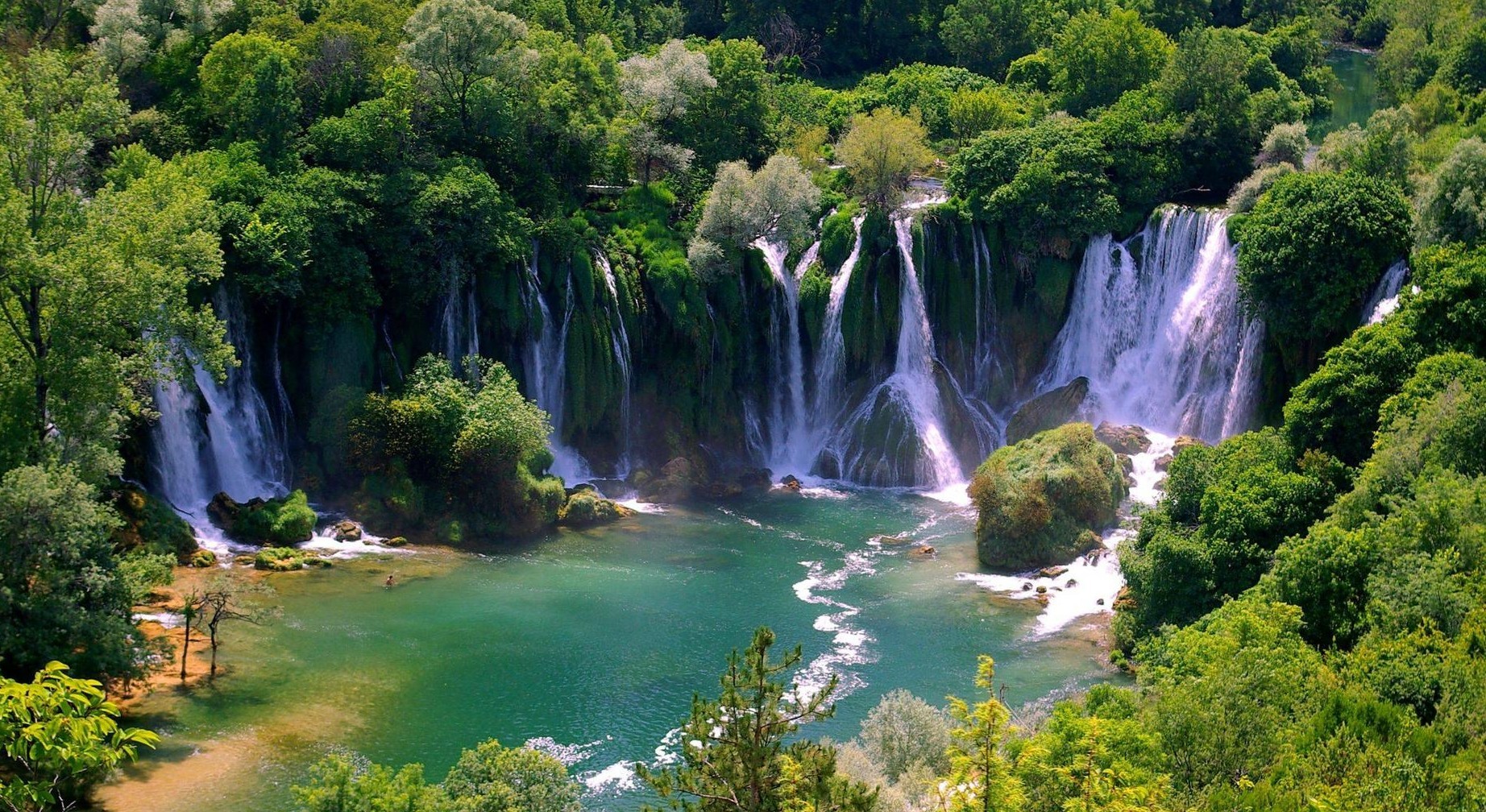
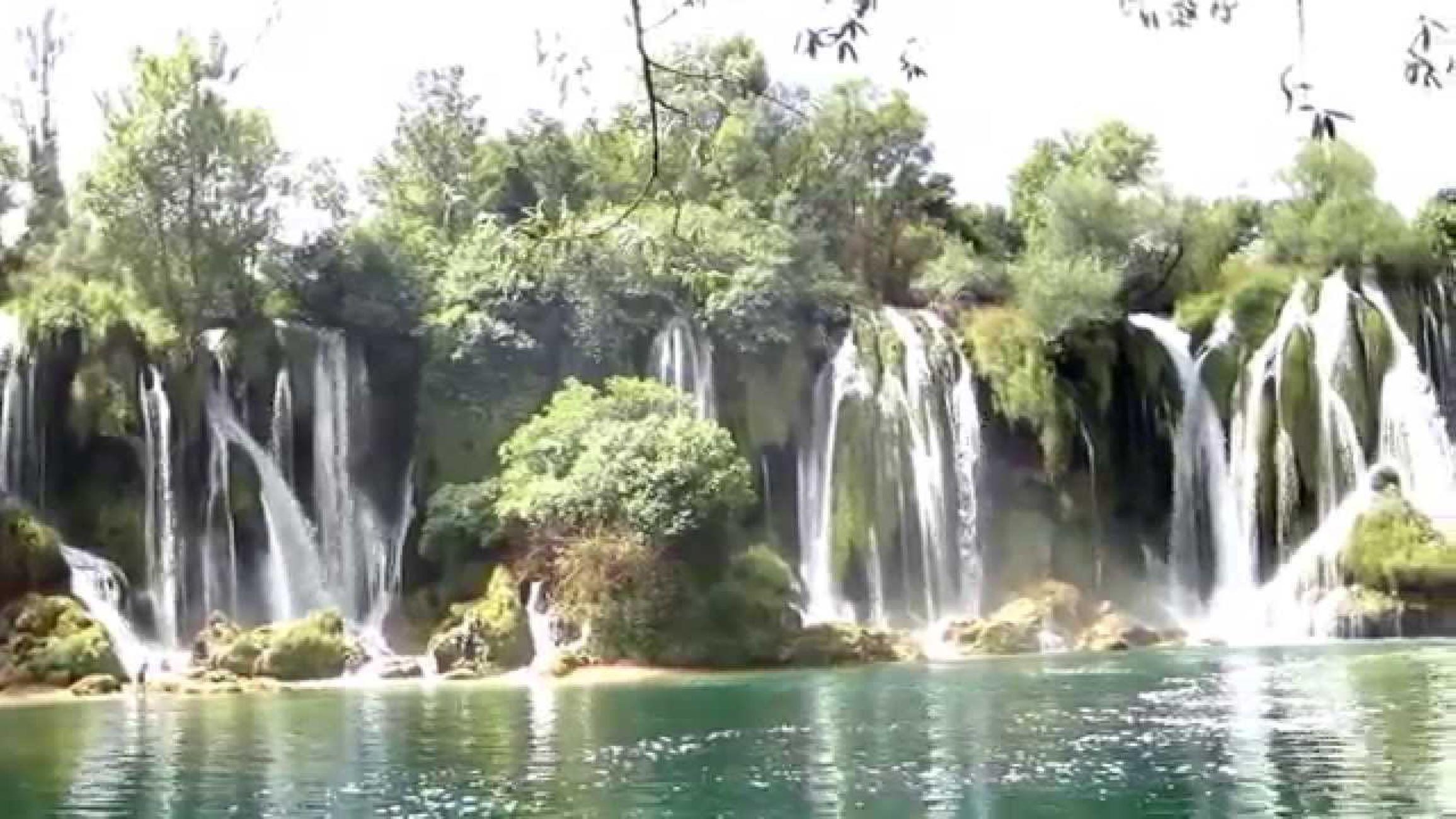
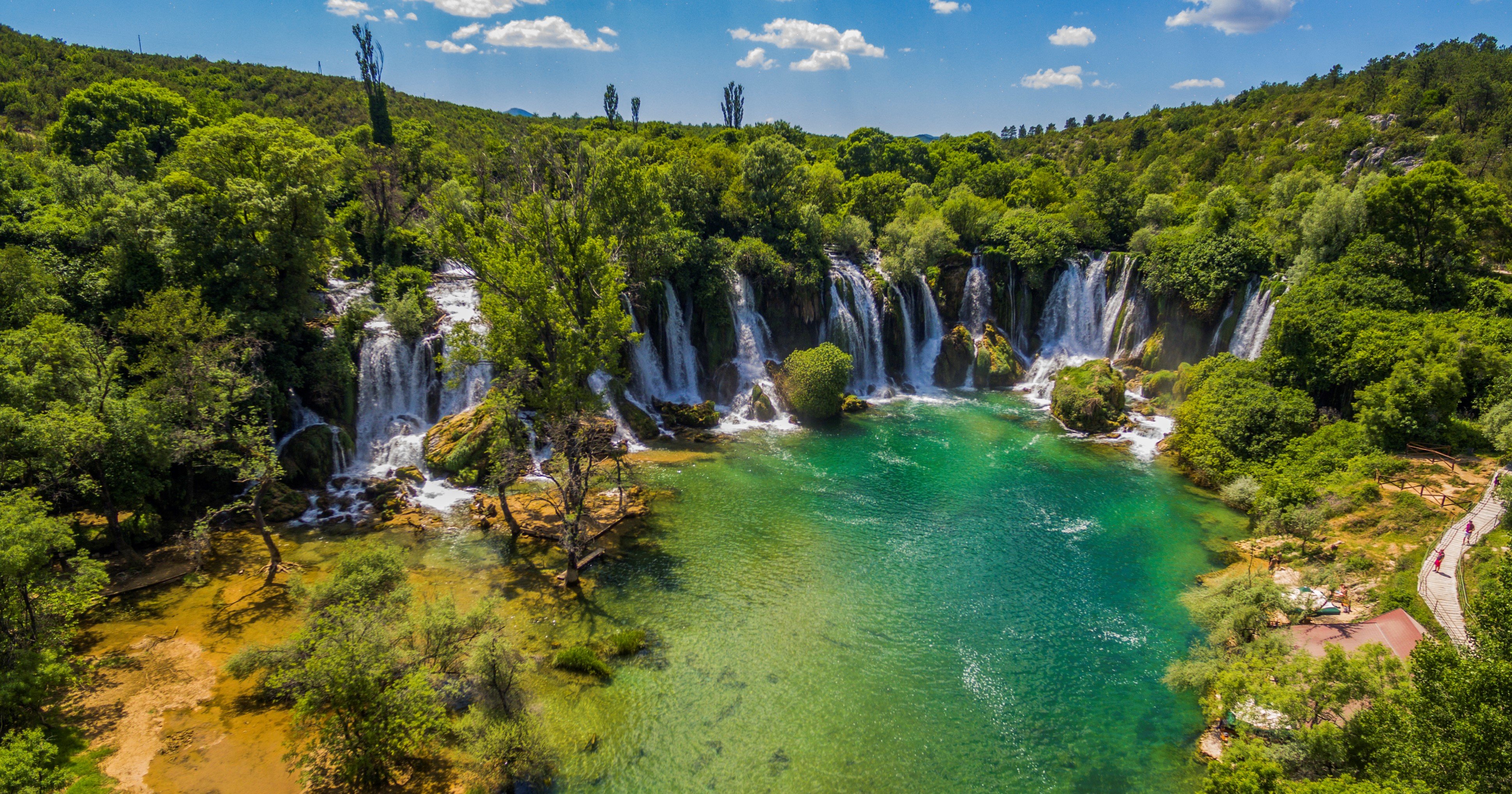
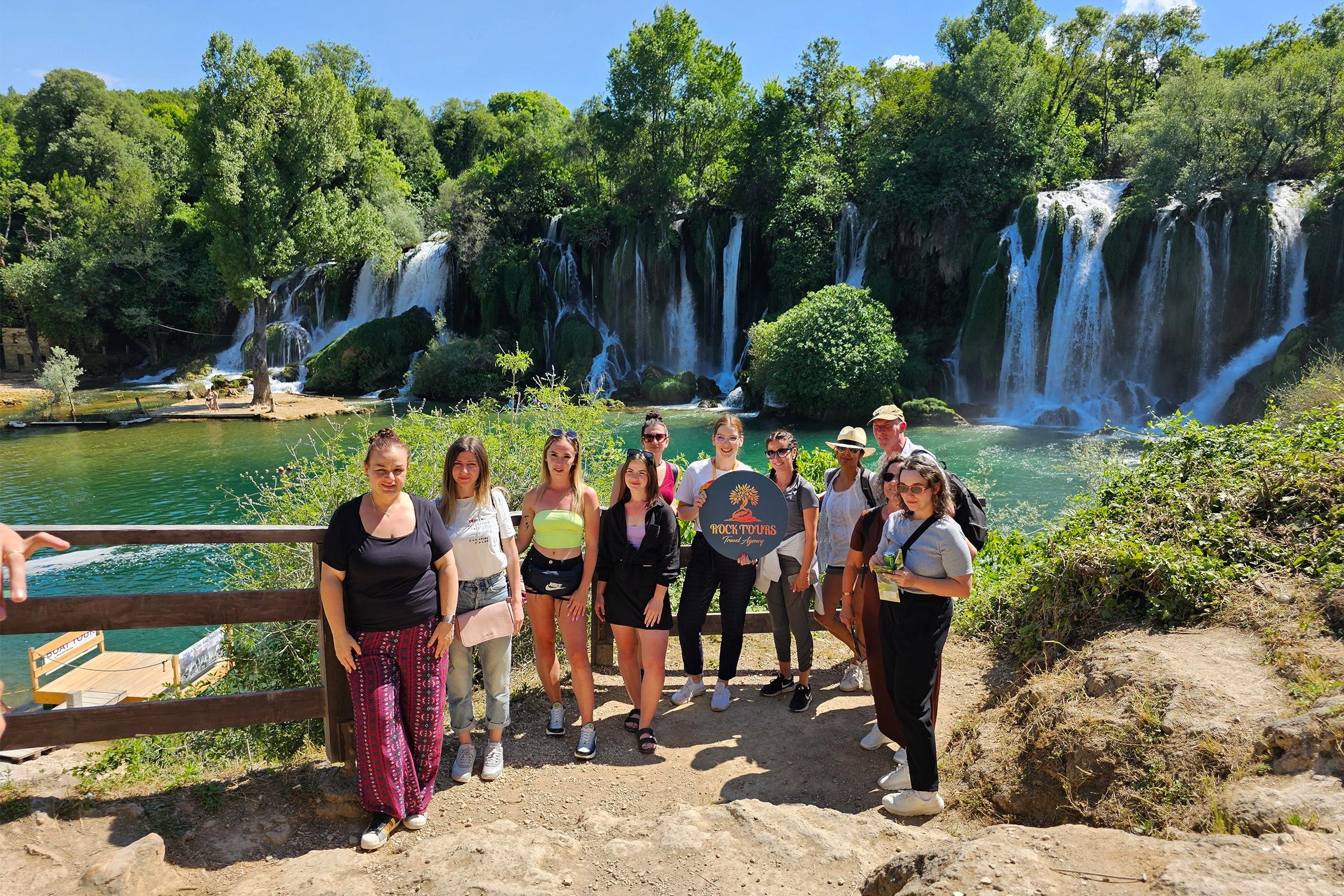
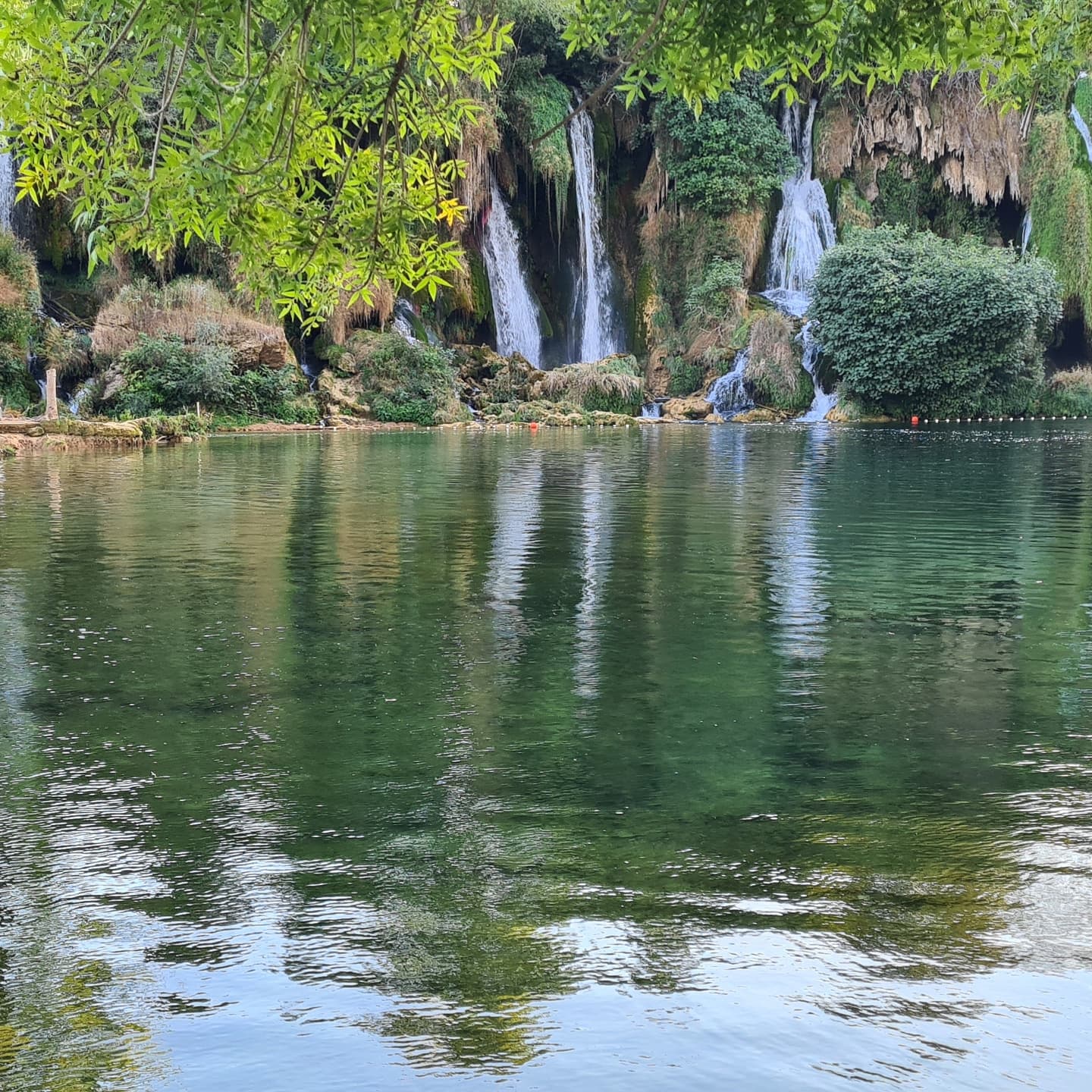
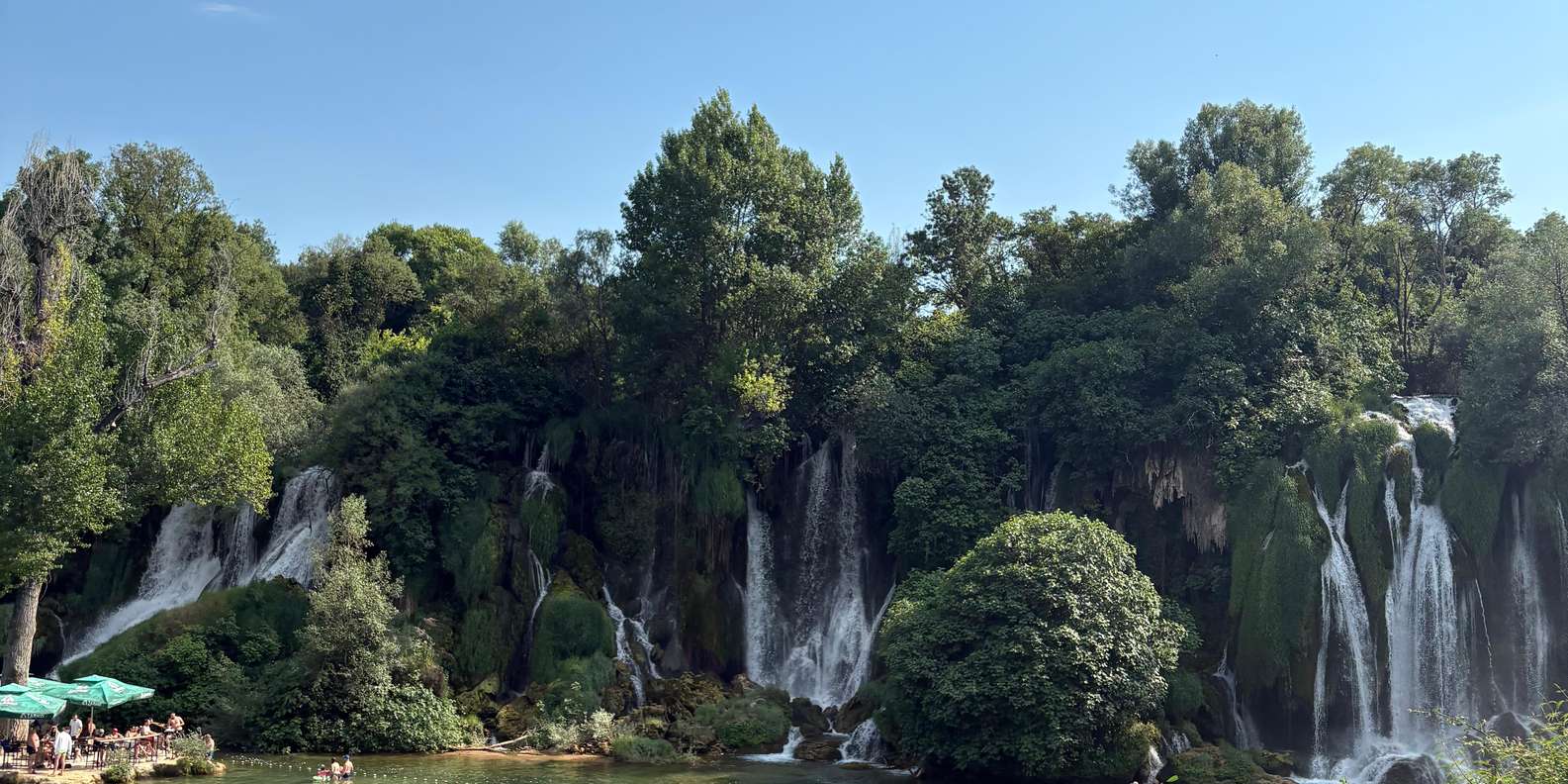
About 40 kilometres south of Mostar, the Kravica Waterfalls (also spelled Kravice) spread in a wide amphitheatre across the Trebižat River. Water tumbles roughly 25 metres over a curtain of travertine and tufa into a broad green pool ringed by trees — a natural swimming hole that, in the heat of a Herzegovinian summer, is the highlight of the day for many travelers. Bring a swimsuit and a towel if you’d like to get in; there’s a separate entrance fee to the falls park, usually paid in cash, though several “all tickets included” tours cover it for you. The falls run fullest in late spring and early summer, fed by snowmelt; by late summer they’re gentler but the swimming is at its best.
Počitelj — the Ottoman village in between
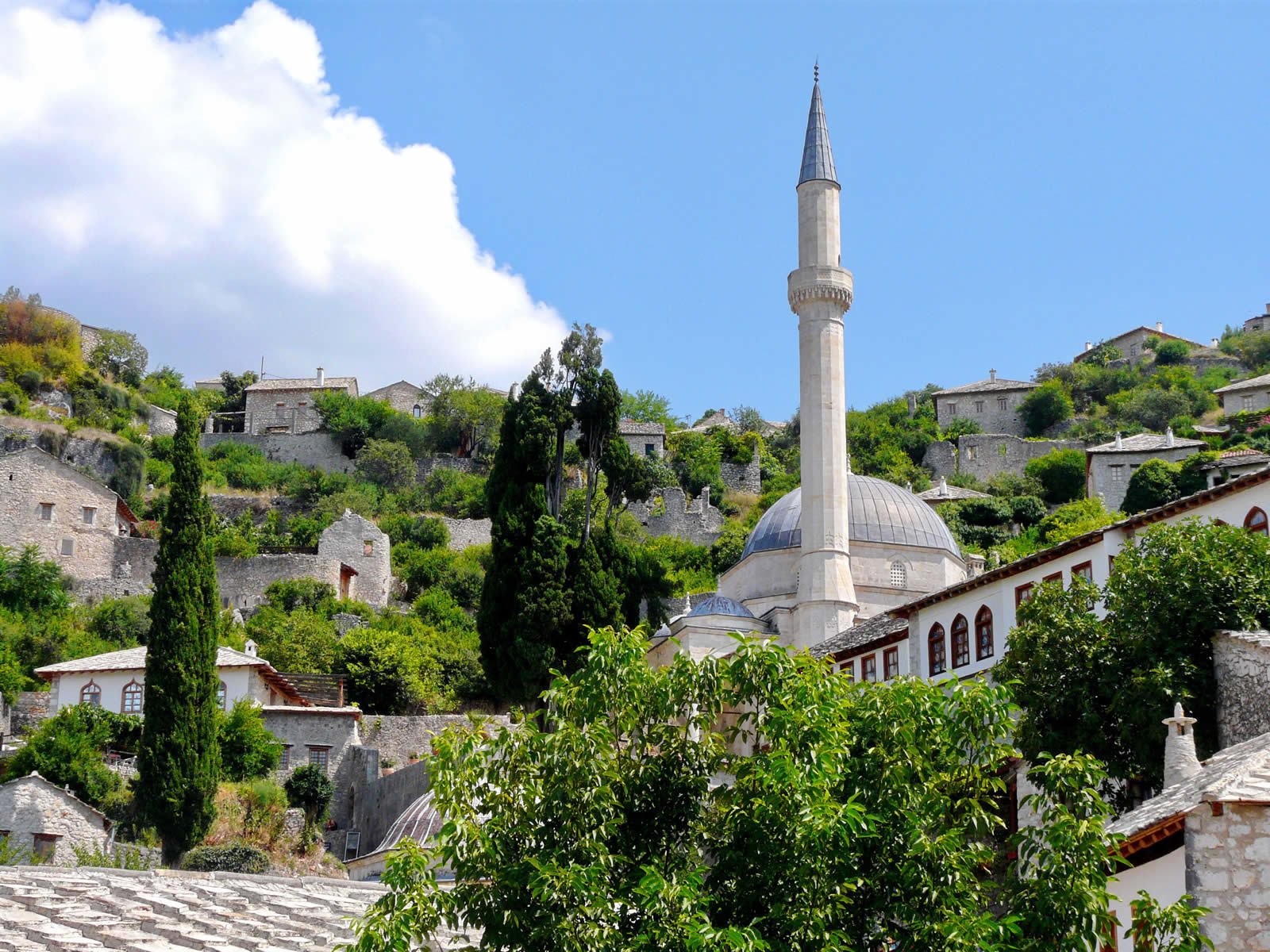
Many itineraries add a short stop at Počitelj, a stone village stacked up a hillside above the Neretva between Mostar and the coast. A medieval-and-Ottoman fortress crowns the slope, the Hajji Alija Mosque dates from the 16th century, and twisting stairways climb past stone-roofed houses, fig and pomegranate trees. It takes only half an hour to wander, but it’s one of the most photogenic stops of the day. Check your tour’s itinerary if Počitelj is a must — not every Dubrovnik departure includes it.
The practicalities — border, currency and timing
The single most important thing to remember: bring your passport. Croatia is in the European Union and the Schengen Area; Bosnia and Herzegovina is in neither, so you cross a genuine international border in each direction, with passport control. Most nationalities need no visa for a short visit, but it’s worth checking your own before you travel.
The local currency is the convertible mark (BAM or KM), pegged to the euro at about 1 euro to 1.96 marks. Euros are widely accepted in tourist spots, often at a rounded-down rate, and cards work in many cafés and restaurants — but it’s smart to carry a little cash in marks for the Kravica entrance, market stalls and tips. The drive is around two and a half hours each way, and with stops the whole excursion typically runs 10 to 12 hours, so it’s a long day; expect an early start and an evening return.
Why go with a guided day trip?
You can, of course, drive yourself or take a bus — but a guided day trip removes every friction point of a cross-border excursion. The operator handles the border paperwork pace, the driving on unfamiliar mountain roads, the parking at Kravica, and the timing so you actually get free hours in Mostar rather than spending the day in the car. A local guide turns the Old Bridge from a pretty photo into a story, points you to the best viewpoints and a riverside lunch, and knows when the falls are at their best. The tours on this page are run by independent, top-rated local operators — not an official tourism body — so the signals worth weighing are review counts, group size, hotel pickup and free cancellation. When you’re ready to trade the Dalmatian coast for a day in Herzegovina, check tour availability.